Sleep apnea affects millions of people every year, but you can fight back with knowledge and an expert sleep dentist
in your corner. Here are some of the most frequently asked questions we receive.
How Do I Find the Best Place for Sleep Dentistry?
When searching the web for “sleep apnea treatment near me,” it’s best to look beyond general
dentistry practices. While there are some that may offer oral appliances or general advice, a dedicated sleep dental
office brings focused expertise and specialized care.
For example, our practice in The Woodlands has specific equipment and established relationships with physicians and
sleep centers that general dentists simply can't match.
Once you have a few options, check their credentials, read patient reviews, and make sure they offer comprehensive
care from testing to treatment. A consultation is a great, low-pressure way to evaluate whether a team is the right
fit for your needs.
What Level of Education is Required to Be a Sleep Apnea Dentist?
Every dentist completes at least eight years of higher education, including a four-year undergraduate degree followed
by four years of dental school to earn a DDS or DMD.
Sleep dentistry requires additional specialized training beyond that. It's a field at the crossroads of dentistry and
medicine, so a deep understanding of airway anatomy, sleep disorders, and oral appliances is essential.
Dr. Robert and Dr. Dan have undergone this extensive
advanced training, including years of hands-on experience treating patients with sleep disorders. So, if
you’re looking for sleep apnea treatment in The Woodlands, you’re in great hands.
Can Sleep Apnea Cure Itself?
Unfortunately, sleep apnea is a chronic condition, so it won't simply go away on its own. While small habit and
lifestyle changes, like losing weight, adjusting your sleep position, or reducing alcohol consumption, may help
lessen symptoms, they don’t usually eliminate it.
Worse, without proper treatment, sleep apnea can persist or worsen over time, increasing the risk of serious health
complications like high blood pressure, heart disease, and stroke.
The good news is that effective, comfortable solutions exist—and they’re close at hand! Our team uses
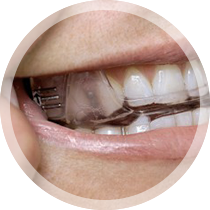
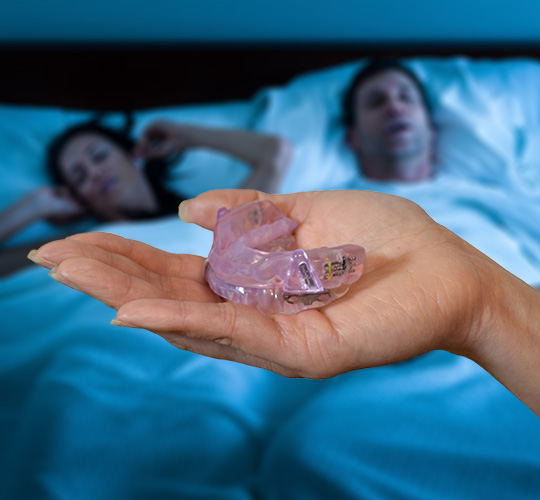
proven options like oral appliances
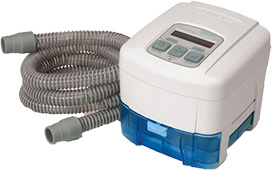
and combined therapy to help patients get
the sleep they deserve.
What Do You Do If You Can't Afford a Sleep Apnea Dentist?
Unlike most dental procedures, sleep apnea treatment is typically covered by medical insurance instead of dental
insurance, which means coverage is often much more robust.
Our team accepts virtually all major medical plans and handles the claims process on your behalf, so you can focus on
the results instead of the paperwork. Need help navigating your benefits? We have you covered. Our team is
here to ensure that affordability isn't another thing to stress about.
If you're uninsured or underinsured, we also offer flexible payment plans to make treatment more accessible. And
because we offer a free consultation, getting started costs you nothing! Don't let cost keep you from addressing a
condition that affects your health every single night—call us today.
 Sleep Apnea &
  (281) 363-2770